
As a person who was raised in Eastern Europe, mental health was never part of my education, nor was it part of family conversations. Life in a country in which mental health is laughed at or looked down on has never been easy for those who suffer serious problems. Luckily that wasn’t me.
Traveling and living abroad have taught me many valuable lessons about respecting people’s boundaries and learning to admire their strength for admitting their problems. This has become one of the things that empowered me to develop my empathy and bring out my inner best self. Little did I know that I would be one of the people who would need professional help to preserve my own being.
Byline: Polya Pencheva @polyaplamenova

The thing about stigma in mental health is that not everyone is aware that it exists, let alone acknowledge and tackle it. But let’s first dissect the term mental health stigma. Mental health stigma refers to societal disapproval, or when society places shame on people who live with a mental illness or seek help for emotional distress, such as anxiety or depression. This could happen for different reasons such as family beliefs, personal opinions of the condition, or the condition of the mental issue itself.
The effects of stigma could include avoiding treatment, social isolation, internalization of negative beliefs, and low self-esteem. These all sound like something that any regular person has undergone at one point in their lives.
The past two years have certainly taken their toll on my mental state. The Covid-19 pandemic made us all a little more insecure, add in some university stresses and a job where you were made to feel useless and helpless, and that drains your energy. In addition to all of this, there were the impacts of the pandemic, namely not being able to travel and see my family. Let’s not forget the intolerable society we live in.
After several breakdowns, my batteries couldn’t recharge anymore. Pushing forward, chasing deadlines, and working all the time also made me exhausted, stressed, and unhappy about my own existence. I couldn’t help but think I wasn’t enough, that I should do more.
So, I decided to go to therapy
This is easier said than done. After sharing it with people from my country I received some weird responses such as “What are you going to do there?”, “Do you need to do this?”, “You can always talk to me if you need somebody. I’m here for you.” All of these comments made me feel uneasy and uncomfortable for sharing something that I felt was a big step for me.

Little by little, I started realizing that people who are struggling with mental health where I come from have been stigmatized and looked down on. I had to fight my way to be taken seriously by these people and to stand up for myself.
Stigmatizing somebody and laughing at them for their pain and issues has never been part of who I am as a person. Being called the ‘psychologist’ just for needing help wasn’t something I needed to experience when I was at my lowest. Yet, this made me realize that this topic needs more awareness, especially amongst the older generation.
Shortly after my sessions, more people that I know did the same. They decided to visit a therapist and for some reason, the topic didn’t seem so taboo anymore. I started visualizing myself in the different images of mental health and, more specifically, the burnouts I was constantly suffering.
Suddenly I started figuring out that if there wasn’t such a stigma on the way we treat our mental well-being and we were gentler to ourselves, maybe we wouldn’t be so stressed and angry all the time. The more I spoke about my issues, the better it made me feel about myself and the actions I was taking.
And to support my statements, I would like to point out that more and more celebrities and influencers online share their traumas and their process of healing. For instance, the content creator @lainey.molnar shared her experiences with bipolar and her way of getting back her life and dealing with everything that life is throwing at her.
“I think that there is a lot of shame and guilt in it and then there’s also this pressure of, you know, wanting to feel like you’re part of the crowd if you do this and do that,” said Selena Gomez in 2020 in her show Selena + Chef.
How do we handle all of this? Well, there is no right formula for battling mental health issues. However, I can say one thing for sure. It always starts with acknowledging that there is a problem and looking for a solution. Busting yourself with work and trying to keep yourself occupied would most likely boost the levels of stress and anxiety and make you feel even worse. One piece of advice for anyone who has made it this far: connect with your body and be more present.
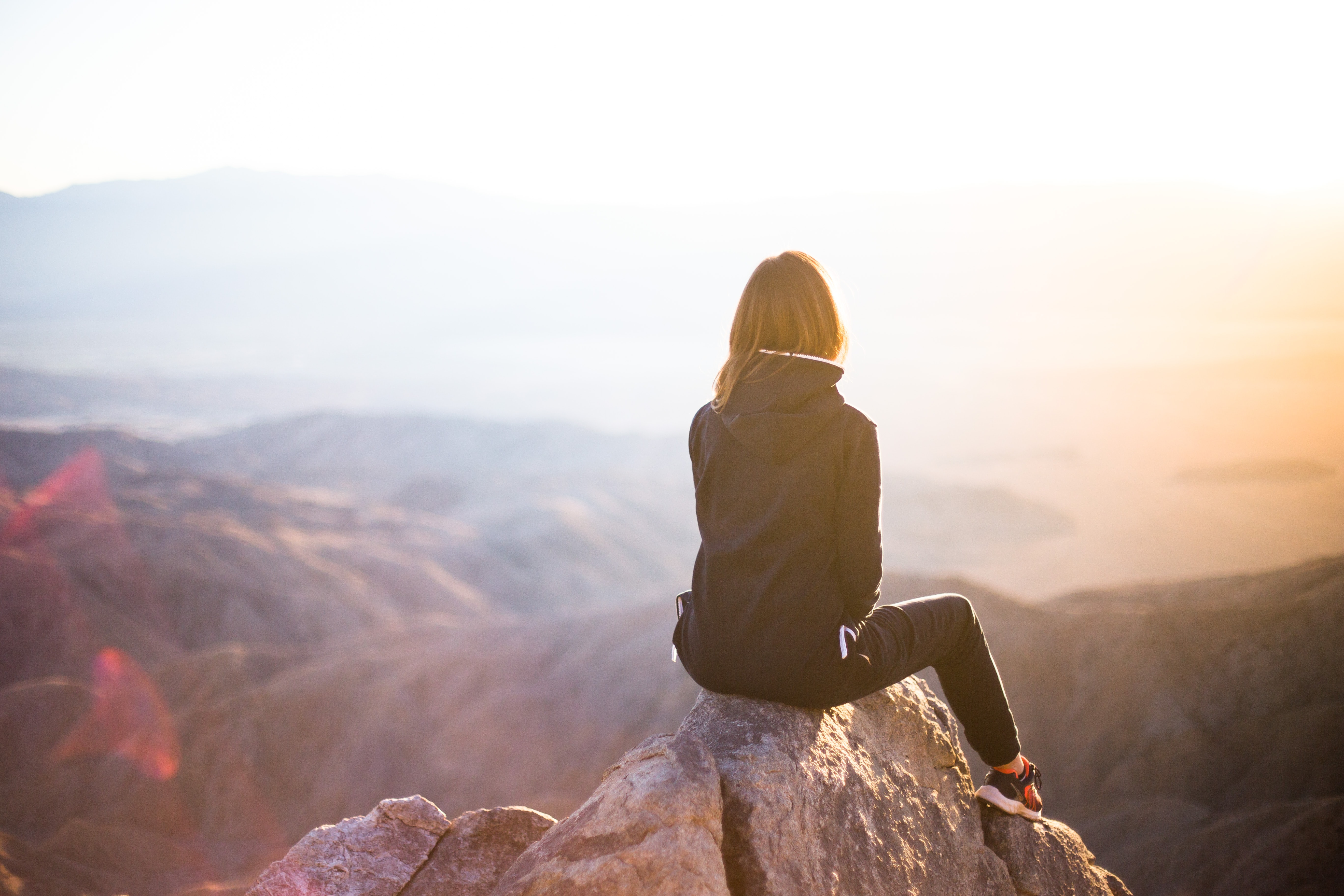
You may wonder why. If you connect with yourself, your body will intuitively tell you what’s wrong, namely lack of sleep, food, energy, or whatever that may be. In my case, my body was desperate to rest. That’s why when I quit my job, and I decided to reward myself with a much-needed break from the world, I fell ill for a week, a week I spent sleeping. That was my body requiring time to cool down and actually rest from the hectic schedule I had been putting myself through.
To conclude, whenever you feel down, never forget that there are many people who are struggling with mental health issues, and being open about it is the only way to tackle it. And in case you need somebody to confide with in peace, I’m always here for you.
 Travel stories to empower women